Z Fc First Look: Unboxing and Impressions
Category: Electronics
Introduction
The Z Fc arrives as Nikon's visually distinctive entry into the mirrorless APS-C market: a camera that pairs modern imaging hardware with a retro-inspired, mechanical-dial aesthetic. This first-look article unboxes the Z Fc, inspects what comes in the box, and evaluates how the design, ergonomics, image quality, and feature set translate to real-world photography and videography. The aim is to give potential buyers the practical information they need—what the camera feels like in hand, how it performs in everyday scenarios, and which photographers will find it a good fit.
Unboxing and First Impressions
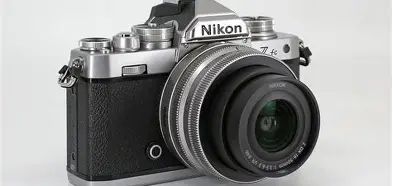
Out of the box, the Z Fc emphasizes tactile design. The body is compact and relatively light for a mirrorless camera, with a textured finish and metal dials that evoke classic film-era cameras. The packaging typically includes the body cap (or a bundled kit lens in many retail SKUs), battery, charger or USB charging cable, strap, and basic documentation. The Z-mount kit lens commonly bundled with the Z Fc (when included) is a small, practical optic tailored for travel and street photography.
Initial startup reveals a responsive touchscreen, a bright electronic viewfinder, and a menu system familiar to users of other Nikon mirrorless bodies. The dedicated mechanical dials for shutter speed, ISO, and exposure compensation are immediately gratifying for photographers who prefer manual, tactile control over menu diving. For users who prioritize a camera they can operate by feel—such as street photographers, travel shooters, and documentary photographers—the Z Fc creates an instant connection.
Detailed Product Review and Analysis
Design and Build
The Z Fc's design is its headline feature. The controls are laid out with a clear retro influence: large mechanical dials sit on the top plate, the shutter speed and ISO dials are prominent, and the body lines are slim and compact. This deliberate aesthetic is more than styling; it shapes the user experience. For photographers who shoot outdoors or in fast-paced environments, the ability to change settings rapidly by touch is a real advantage.
Build quality is solid for a camera in this class. While it may not be as weather-sealed as higher-tier professional bodies, the chassis uses durable materials that balance weight and strength. The grip is modest; photographers with larger hands may prefer an additional grip accessory for long shoots. The vari-angle touchscreen is a notable convenience for vlogging, low-angle shooting, and composing shots from awkward angles.
Sensor, Image Quality, and Processing
The Z Fc uses an APS-C (DX) sensor paired with Nikon's imaging pipeline. In practice, the camera delivers sharp images with good color rendition and dynamic range for its sensor size. The JPEG processing is tuned toward pleasing colors and contrast, making it useful for shooters who want minimal post-processing. Raw files retain headroom for exposure and color adjustments—an important factor for landscape and portrait photographers who must recover highlights or shadows.
Real-world use cases where the Z Fc shines include street and travel photography, lifestyle portraits, and social media content creation. The sensor performs well in daylight and controlled lighting; in low light it produces usable results at moderate ISOs, though noise becomes more apparent at higher sensitivity settings compared with larger full-frame sensors. Buyers who prioritize the highest possible low-light performance might compare the Z Fc to full-frame alternatives, but for many users the Z Fc's balance of image quality, size, and price is compelling.
Autofocus and Performance
Autofocus on the Z Fc is competent. In typical shooting conditions—static subjects, urban scenes, portraits—the focus system is quick and reliable. Continuous AF for moving subjects is usable for casual action and children, but those who specialize in sports or wildlife will find higher-end systems with more advanced tracking preferable. The camera's responsiveness (startup time, shot-to-shot intervals) is good for everyday photography. Burst shooting is adequate for capturing short action sequences, though buffer depth and continuous shooting speed are not the primary selling points for this model.
Shop the latest Electronics picks on Amazon.
Shop Amazon →Video Capabilities
Video features on the Z Fc cover mainstream needs: 4K capture at common frame rates and Full HD options including higher frame rates for slow motion. The vari-angle screen and clean HDMI/USB connectivity make the Z Fc suitable for vloggers and solo content creators. However, buyers who need professional-level video—long continuous recording, advanced codecs, or in-body image stabilization for gimbal-less handheld shooting—should weigh the limitations carefully. For run-and-gun content, social media clips, and lifestyle videos, the Z Fc is a strong, compact option.
Battery Life and Connectivity
Battery life is adequate for a day of casual shooting but moderate under continuous video recording or long timelapse sessions. The camera supports USB charging, which is convenient for travel when carrying a power bank. Connectivity includes Wi‑Fi and Bluetooth for pairing with a smartphone and transferring images—useful for instant sharing. Single card slot configurations are common at this price point; photographers who require dual redundancy should evaluate their workflow accordingly.
Lenses and Ecosystem
One practical consideration when evaluating the Z Fc is the lens ecosystem. As a Z-mount DX camera, it works well with Nikon's compact DX glass and full-frame Z lenses (with a crop). The DX lens lineup includes fast primes and compact zooms ideal for travel and street photography. Availability of small, lightweight lenses complements the Z Fc's compact body, making the pair attractive for photographers seeking portability.
Pros & Cons
- Pros:
- Compact, retro-inspired design with tactile mechanical dials that enhance the shooting experience.
- Good image quality for APS-C sensor class—pleasing JPEGs and flexible RAW files.
- Vari-angle touchscreen and bright electronic viewfinder for versatile composition and vlogging.
- Lightweight and portable, making it well-suited to travel and street photography.
- Strong color rendition and in-camera picture controls for quick results.
- Cons:
- No in-body image stabilization (IBIS), which affects handheld video and low-shutter-speed shooting.
- Moderate battery life compared with larger bodies—may require spare batteries for long shoots.
- Single SD card slot limits professional redundancy workflows.
- Autofocus, while solid for general use, is not optimized for high-speed action tracked shooting.
- Retro controls may have a learning curve for photographers accustomed to menu-driven digital interfaces.
Comparison: Z Fc vs. Popular Alternatives
| Feature | Z Fc | Z50 | Comparable Competitor (e.g., Fujifilm X-S10) |
|---|---|---|---|
| Sensor | APS-C (DX), ~20–24MP class | APS-C, similar resolution | APS-C, similar resolution |
| Design | Retro dials and classic styling | Modern compact design | Modern retro-modern hybrid with deeper grip |
| IBIS | No | No | Yes (built-in stabilization) |
| Video | 4K, suitable for vlogs | 4K, similar capabilities | 4K with enhanced stabilization options |
| Controls | Mechanical dials for direct control | Traditional control layout | Customizable dials, mode wheel |
| Target Users | Street, travel, lifestyle, enthusiasts who value aesthetics | General-purpose enthusiasts | Content creators who need IBIS and video features |
Who Should Consider the Z Fc?
The Z Fc is targeted at photographers who care about both form and function. Ideal users include:
- Street and travel photographers who want a compact, discreet camera with fast, tactile controls.
- Lifestyle and portrait shooters who appreciate pleasing color straight out of the camera.
- Content creators and vloggers seeking a small 4K-capable camera with a flip screen and an attractive aesthetic.
- Enthusiasts who want a camera that feels personal and engaging to operate rather than just a tool.
Those who should look elsewhere include photographers who demand in-body stabilization for handheld low-light shooting or videographers who require professional video codecs, extended recording times, or advanced autofocus tracking for sports and wildlife.
Buying Guide: What to Consider Before Purchasing
1. Purpose and Shooting Style
First, clarify how the camera will be used. For travel and street photography, the Z Fc's compact size and retro ergonomics are powerful advantages. For studio portrait work, the camera performs well but pairing it with a selection of fast primes will unlock its full potential. For video-heavy workflows, consider whether the Z Fc's video features meet the project's technical requirements.
2. Lens Plan and Ecosystem
Confirm the lens plan. The Z Fc benefits most from small, sharp primes and compact zooms that maintain the portable advantage. Buyers who already own lenses for other mounts should evaluate whether adapters are acceptable for their workflow. Also consider future lens purchases: the Z mount has grown, but availability of very small, fast primes for APS-C should be checked if compactness is a priority.
3. Stabilization Needs
Determine how often handheld low-light or video shooting will be needed. Without IBIS, the Z Fc relies on lens stabilization (where available) and higher shutter speeds. For a mix of stills and stabilized video, a camera with IBIS may be a better match.
Discover deals on Electronics — updated daily.
View Offers →4. Ergonomics and Controls
Test the camera if possible. The mechanical dials make a meaningful difference in operation, but the feel of the grip and the placement of buttons vary by hand size and shooting style. Those who transition from a DSLR may appreciate familiar exposure controls; those who prefer a purely menu-driven approach will adapt but may not benefit from all mechanical controls.
5. Battery and Media Workflow
Plan for spare batteries if extended shoots are expected. Also consider whether a single card slot meets backup needs or if dual-slot reliability is required for professional work. Check card compatibility and whether the camera supports UHS-II speeds for faster write performance.
6. Budget and Value
The Z Fc generally positions itself as an enthusiast-level mirrorless camera that offers a distinctive design in addition to competent imaging specs. Evaluate the total cost of ownership—body plus lens(es), accessories (extra batteries, memory cards, straps), and any necessary adapters—against other cameras that may offer faster autofocus, IBIS, or different feature sets for similar prices.
7. Future-proofing and Resale
Consider ecosystem momentum and long-term support. Cameras that belong to expanding lens ecosystems tend to retain resale value better. The Z mount has seen significant growth, so the Z Fc should hold relevance for buyers who plan to grow a lens collection over time.
Real-World Use Cases
The Z Fc finds natural use in several common scenarios:
- Travel photography: lightweight kit, retro look that encourages slower, more thoughtful shooting; great for cityscapes, street scenes, and travel portraits.
- Lifestyle content: quick setup, attractive color profiles, and flip-screen convenience for creators capturing day-in-the-life videos and short web clips.
- Events and casual weddings: unobtrusive appearance makes it useful for candid work; pairing with a fast prime handles environmental portrait situations.
- Learning and hobbyist use: tactile controls are excellent for photographers learning manual exposure, as dials reinforce intuitive understanding of shutter, aperture, and ISO relationships.
Conclusion
The Z Fc is a thoughtfully designed camera that blends contemporary imaging performance with tactile, retro styling. It appeals strongly to photographers who value the experience of shooting as much as technical specifications—those who want a compact, attractive camera that encourages creativity and spontaneous use. While it makes compromises (notably the lack of in-body stabilization and a single card slot), its strengths—ergonomics, color rendition, and portability—make it a compelling option for travel, street, and everyday photography. Prospective buyers should weigh these trade-offs against their specific needs: if IBIS or pro-level video features are essential, other models may be more suitable. For those who prioritize design, handling, and a joyful shooting experience, the Z Fc is worth a close look.